
Daniel Sánchez Calles
Head of Engineering
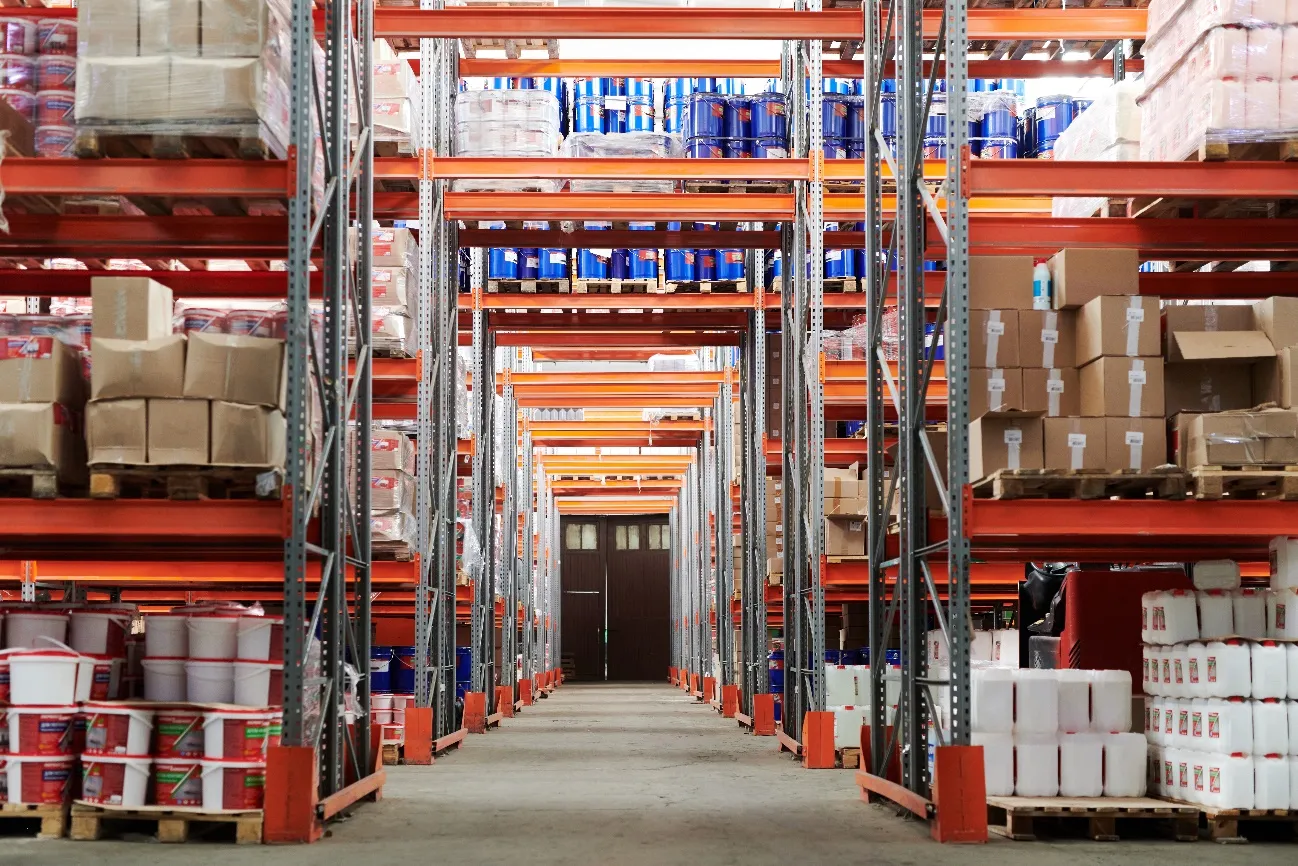
Everyone knows about the high demand for logistics land on the market, which creates the need for facilities to serve it. As a result, new logistics developments have to be up and running within a short period of time. On top of this already demanding requirement, they must also meet the exacting quality standards the market expects.
the logistics sector is one of those that benefits most from BIM methodology
We have been fortunate to take part in many logistics projects, in different roles (on the developer's side, the contractor's or the trade contractors'), and the conclusion is quite clear: the logistics sector is one of those that benefits most from BIM methodology.
We base this statement on three key aspects of the sector:
1. A small circle of suppliers.

It is an environment where «everyone knows everyone». This makes collaboration between the different parties much easier. If you have worked with a company in this sector several times in recent years, you know its needs inside out
Because it is a “closed” environment, it is relatively easy to get used to working to shared information management standards, which undoubtedly helps everyone collaborate more smoothly.
2. Defined standards.
Most logistics facilities follow international construction standards, given how global today's market is. This simplifies modelling requirements.
In logistics projects, many of which are built without a specific end use, it is relatively easy to put together an object library sufficient to develop the detailed design. Things get more complicated at construction stage, where those generic families need a higher level of geometric and information development.
The assets are usually maintained by the developer, so some extra effort may be needed at the end of the project, since each logistics developer has its own needs (operating, leasing, etc.).
3. Logistics 4.0
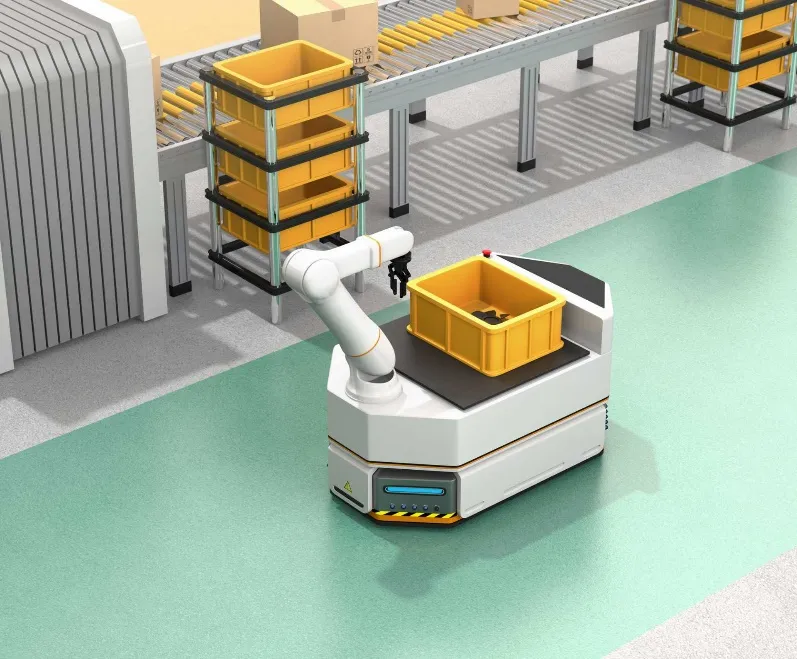
Another aspect to bear in mind is the digitalisation of the AEC sector. End clients are usually highly automated companies, which leads developers to seek a high level of technological quality across the whole supply chain from the outset. Innovate or die!
This is another of the sector's strengths: it makes it easier to find trade contractors who use digital fabrication, which solves problems in both the short and the long term.
A very important point is interoperability. We do not all work with the same software, and not all IFCs are fit for collaborative work. This is undoubtedly the most interesting point, and also the most complex.
In our view, the logistics sector is one of the big winners from collaborative working, because of its demands and particular features.
In conclusion, standardisation and BIM methodology are not simpler in the logistics sector, but they are more stable.